
Work

See the floor — anonymised routes we have helped tune

These case studies are composite and anonymised illustrations of engagements RoboDrive AI has performed for integrators and operators. Names, logos, and exact locations are withheld under NDAs. Outcomes describe navigation improvements — not guaranteed results for your site.

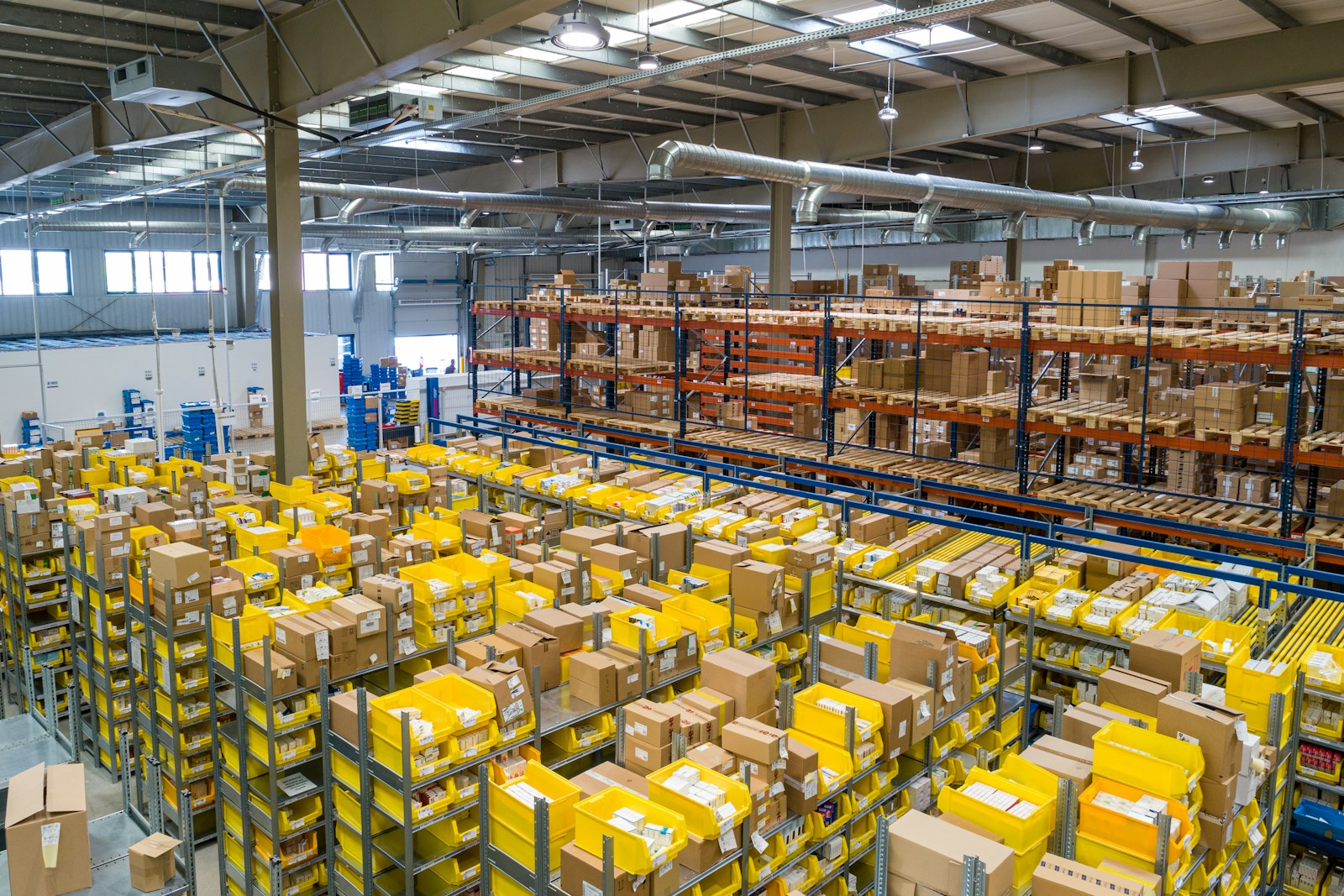
Warehouse aisle with autonomous mobile robot route overlay

Case A · Ontario distribution

Narrow-aisle AMR drift after layout refresh

Challenge: A third-party integrator deployed eight pallet-handling AMRs in a 400,000 sq ft facility. After a seasonal re-slotting, units began clipping rack protectors and missing pick faces by 15–20 cm — enough to halt automated put-away.

Our route: Floor reconnaissance compared the live layout to the feature map. We identified stale shelf-edge point clouds and misaligned dock zone polygons. A two-week localisation review produced updated map layers, relocalisation triggers at aisle mouths, and a facilities checklist for post-layout updates.

Outcome: Reported pick-face variance dropped within the integrator’s ±3 cm target. Operator “manual reposition” interventions fell by roughly half over the following quarter (client-reported; not independently verified by RoboDrive AI).
Case B · Québec healthcare campus

Hospital service loop perception false stops

Challenge: Linen and meal-delivery robots shared a corridor with gurneys and rolling IV poles. Frequent phantom obstacles triggered hard stops, blocking nurses’ stations during peak hours.

Our route: Perception audit with recorded bag files from three shift patterns. Fusion timing and ground-plane assumptions were adjusted; creep-speed zones were added near ward doors. Safety documentation clarified human precedence and audible alert expectations for clinical staff.

Outcome: Unplanned stops attributed to perception noise decreased materially in the client’s ticket system. The hospital retained manual escort requirements in paediatric wings — full autonomy was never the goal.

Hospital corridor with service robot paused at ward intersection

Case C · Prairie university campus

Outdoor–indoor patrol hand-off gaps

Challenge: A security robotics vendor needed patrol units to transition from paved walkways to building lobbies without GPS denial causing map jumps. Wi-Fi dead zones at loading docks compounded the issue.

Our route: We mapped hand-off waypoints, recommended visual landmark supplements at door thresholds, and designed fleet rules for “wait for fix” states with operator paging. Simulation scenarios covered snow glare and wet pavement reflectivity.

Outcome: Pilot expansion from one building to three proceeded with documented ODD limits. Public-road travel was explicitly out of scope; units remain on private campus routes with human monitoring.

Case D · BC cold-chain logistics

Fleet saturation at freezer air curtains

Challenge: Twelve AMRs serving a cold-storage facility queued unpredictably at air-curtain thresholds, causing temperature excursions when doors stayed open too long.

Our route: Fleet orchestration engagement modelled intersection reservations and staggered dispatch from two charging banks. Planner parameters were tuned for single-file entry with timeout fallbacks that alert maintenance rather than stacking robots in the ante-room.

Outcome: Throughput stabilised during nightly replenishment windows. Client operations cited fewer manual door overrides — detailed metrics remain confidential.

Illustration notice: Case studies combine elements from multiple engagements. They do not represent endorsements, safety certifications, or promises of identical results. Your site’s layout, hardware, and regulatory context will differ. Always conduct your own risk assessment.

Want a candid read on your route?

Tell us about your floor — we will suggest an engagement shape without a sales deck.

Book a navigation review View services